How to Activate Slime So It Comes Together Every Time
Activator does one job: it links the glue's molecules so runny goo turns squishy. Get the ratio right and it works the first time.
You mixed glue with something, and now you are staring at a runny puddle that clings to everything except your hands. Or you poured in too much of the good stuff and got a stiff rubber lump that snaps instead of stretches. Either way the batch is a bust, the glue is wasted, and the fun is over before it started. Almost every time, the culprit is one step done wrong: activation. Learning how to activate slime is really just learning one ratio and one feeling in your hands, and once it clicks you will stop dumping failed batches in the trash.
The whole trick is going slow. Add too fast and slime turns on you in seconds.
What does it actually mean to activate slime?
Activating slime means adding an ingredient that ties the glue’s molecules together so the mixture goes from drippy to squishy. That is the entire job of a slime activator.
Here is the mechanic in plain terms. PVA glue, the kind in white Elmer’s glue and clear school glue, is made of long polymer chains that float around loosely in water. Left alone they slide right past each other, which is why fresh glue pours and drips. An activator delivers borate ions, and those ions grab onto the glue chains and stitch them into a loose, springy net. That net traps the water inside it, and the trapped water is what gives slime its jiggly, stretchy body.
Once you picture that net, the two classic failures make sense. Too little activator leaves the chains barely linked, so the net is weak and everything stays sticky. Too much activator locks the net down tight, so the slime turns stiff, rubbery, and tears instead of stretching. The whole game is landing in the middle.
What can you use as a slime activator?
Three activators do the job reliably: a borax-and-water solution, saline contact lens solution paired with baking soda, and liquid laundry starch. Each one is a form of borate, so each one builds that same glue net, just faster or slower.
Borax solution is the strongest and quickest. You dissolve borax powder in warm water, and a small splash pulls slime together fast, which makes it great for firm, thick, clicky textures but very easy to overdo. Saline contact solution plus a pinch of baking soda is the gentle, beginner-friendly route. The baking soda nudges the mix so the boric acid in the saline can do its work, and because it activates gradually it is much more forgiving. Liquid starch sits in the middle to mild range and tends to leave slime softer and more stretchy, though you usually need more of it.
| Borax + water | Saline + baking soda | Liquid starch | |
|---|---|---|---|
| What it is | Borax powder dissolved in warm water | Contact solution with boric acid, plus baking soda | Liquid laundry starch |
| Strength | Strongest, fast | Gentle, gradual | Mild, slower |
| Best for | Firm, thick, clicky slimes | Beginners and kids | Soft, extra-stretchy slimes |
| Watch out for | Over-activates in a blink | Saline must list boric acid or borate | Needs more, works slowly |
Same glue net, three different delivery speeds.
How to activate slime, step by step?
You activate slime by stirring the activator in a little at a time, then kneading with your hands until the slime pulls cleanly off the bowl. The stirring builds the net; your body heat and pressure finish it.
- 1
Build your glue base first
Pour your PVA or Elmer's glue into a bowl and stir in color, foam beads, or a little lotion now, while the mix is still loose and easy to move.
- 2
Prep the activator
If you are using borax, dissolve about a teaspoon of powder in a cup of warm water first. Saline plus baking soda and liquid starch go in straight, no mixing needed.
- 3
Add a splash, stir a lot
Pour in a small amount and stir hard. You will see the glue start to gather and pull away from the sides of the bowl — that is the net forming.
- 4
Knead it with your hands
Once it is stringy and holds together, take it out and knead. It feels sticky at first, then firms up fast as the warmth of your hands finishes the cross-linking.
- 5
Test, then fine-tune
Stretch it. Still tacky? Add a few more drops and knead again. Stiff and tearing? Stop adding and work in a little warm water. You want it to pull clean off your skin.
Slime over-activates in seconds and it never comes back. When you are not sure, add less.
What is the right slime activator ratio?
There is no single magic number, but a reliable starting point is about 1 tablespoon of activator per 4 to 6 ounces of glue, then adjusting by feel. Treat that slime activator ratio as a launch pad, not a law.
The reason it shifts is that the ingredients are not standardized. Different glue brands hold slightly different amounts of PVA, saline formulas vary in how much boric acid they carry, and even the weather matters. On a humid day the extra moisture in the air keeps slime softer, so you may want a touch more activator. In a dry room the same batch can firm up with less. That is why kneading and testing beats measuring to the drop.
The move that saves the most batches is slowing down near the end. Get the slime to almost-done, then switch from splashes to single drops, kneading fully between each one. Those last few drops are exactly where a perfect slime tips over into a stiff one.
How do you fix over- or under-activated slime?
If slime is under-activated it feels sticky and needs a hair more activator; if it is over-activated it feels stiff and needs warm water or lotion worked back in. Both are easy saves that take under a minute.
Sticky slime means the net is still too loose, so the glue keeps grabbing your hands. Add activator one single drop at a time and knead well between drops until it releases cleanly. If it is really gluey, our full walkthrough on how to get the stickiness out covers every fix in order. Stiff, rubbery slime is the opposite problem: the net is wound too tight. Massage in a few drops of warm water, or a little lotion for opaque slimes, until it loosens and stretches again. The guide to bringing the stretch back breaks that down step by step.
Can you activate slime without borax?
Yes. You can activate slime without borax powder by using saline contact lens solution with baking soda, or by using liquid starch. Both build the same glue net; they just get their borate from a different place.
The one catch is the label. For saline to work as an activator it has to contain boric acid or sodium borate, which most standard contact lens solutions do — check the ingredients before you buy. The baking soda is not the activator itself; it adjusts the mix so the saline can pull the glue together and gives you control over firmness. Liquid starch skips the two-part step entirely and activates on its own, though it works slowly and you will usually reach for more of it. Neither route is safer to eat than borax, because none of them are food, but both are gentler on hands and easier for kids to manage.
Do you have to make slime from scratch?
Not at all. If ratios and kneading feel like a lot, a ready-made handmade slime arrives already dialed in, so you skip straight to the squishing.
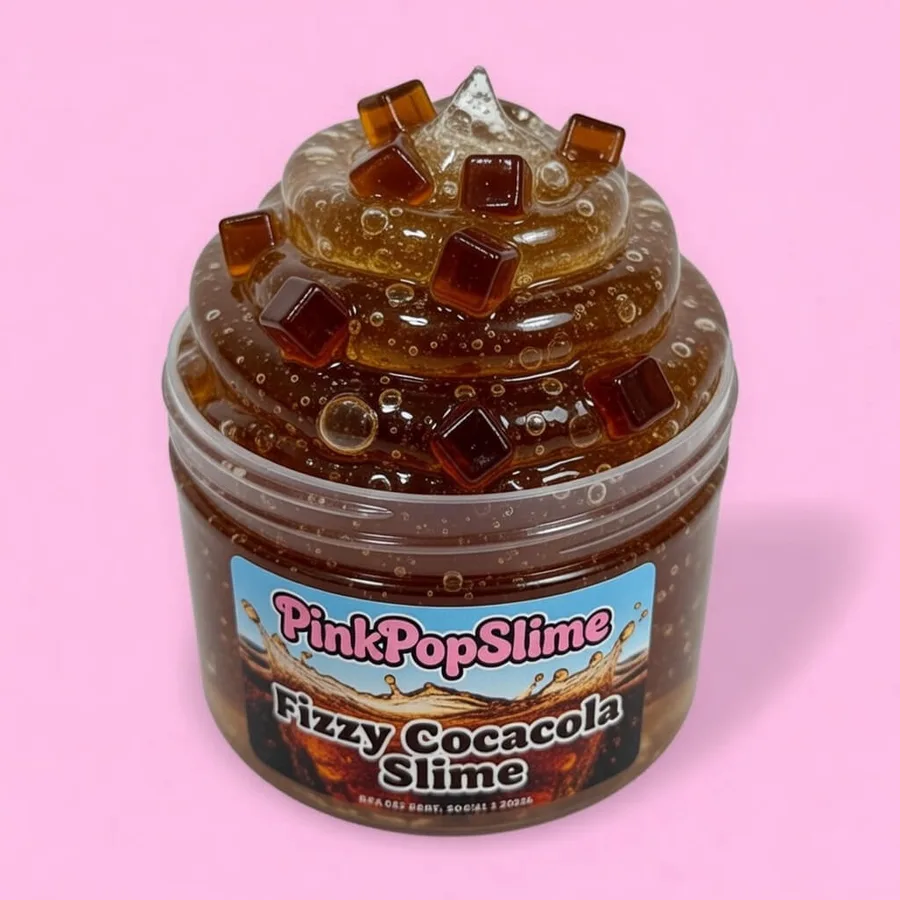
Every batch we mix is small-batch and activated by hand until the texture is exactly right, then sealed fresh. Clear slimes are the most forgiving of all, which is why they are a great first squish while you are still learning the feel of a perfect activation. When you do want to keep it soft for the long haul, our everyday slime care routine covers storage and quick refreshes.
Quick questions
What's the easiest way to learn how to activate slime?
What is the best slime activator for beginners?
How much activator do you add to slime?
Is borax safe to use in slime?
Why is my slime stiff and rubbery after I activated it?
How do I know when slime is fully activated?
Do I have to use warm water with borax?
Can I fix slime that won't activate at all?
That is the whole secret: activator builds a stretchy net inside the glue, and your only job is to add it slowly enough to stop in the sweet spot. Nail that, and every batch comes together the first time.