How to Make Slime Stretchy Again: Fix Stiff, Hard Slime Fast
Stiff, rubbery, snapping instead of stretching? That's over-activated slime, and it takes about a minute to bring back to life.
You pull your slime out of its jar, give it a stretch, and instead of that long, satisfying pull it snaps, cracks, or just sits there like a rubber ball. Annoying, right? A stiff slime feels broken, and the temptation is to toss it in the trash. Don’t. Learning how to make slime stretchy again is the single most useful slime-repair skill there is, and most of the time the fix takes under a minute with stuff already in your kitchen. Get it wrong, though — say, by grabbing the activator or the microwave — and you can turn a rescuable slime into a hard, gummy lump you really do have to throw out.
Here’s exactly why slime stiffens and how to bring it back to soft, poppable life.
Why is my slime stiff instead of stretchy?
Your slime is over-activated: it has too much activator locking the mixture up tight. To see why that matters, it helps to know what slime actually is. Slime is basically PVA glue (think Elmer’s — long, bendy polymer chains) plus an activator such as borax, liquid starch, or contact lens solution paired with baking soda. The activator cross-links those glue chains, stitching them together so a runny liquid firms up into a stretchy solid.
A little cross-linking is perfect: the chains still slide past each other, so the slime stretches long and slow. Too much cross-linking, though, welds the chains so tightly they can’t move — so the slime turns stiff, rubbery, and snaps instead of stretches. That’s the whole reason knowing how to fix hard slime comes down to loosening those bonds and adding moisture back in, never piling on more activator.
There are two ways slime ends up over-tight. Either someone got heavy-handed with the activator when it was made, or the slime dried out in a leaky jar and lost the water that kept its chains loose. A clear slime left in a dry container goes stiff for exactly this reason, which is why good slime storage prevents most stiffness before it starts. Both cases are the same problem: too much cross-linking relative to water. Fix the water balance and the stretch comes right back.
Wondering how to make slime stretchy again?
Yes, and it’s simpler than you’d think: knead warmth and a little moisture into the slime a bit at a time until the chains loosen and it stretches again. Warmth relaxes the polymers, water lets them slide, and for opaque slimes a touch of oil or lotion adds glide. Work slowly and check the texture after every add — you can always put more in, but you can’t take it back out.
- 1
Warm it up first
Work the slime between warm hands for a minute, or run its sealed bag under warm (never hot) water. Heat alone relaxes the polymer chains and often restores the stretch before you add anything at all.
- 2
Knead in warm water, drop by drop
Dribble in about half a teaspoon of warm water, then fold and squish it through. Water is the missing ingredient in most stiff slime — it lets the chains glide again. Repeat until it stretches, but go slow so you don't make soup.
- 3
For cloud or butter slime, use lotion
Thick, creamy and butter textures want a pea-size dab of hand lotion or a drop of baby oil instead of water. Knead it in fully between adds until the slime turns soft and glossy again.
- 4
Add clear glue if it's crumbly
If the slime is tearing and flaking rather than just tight, knead in a small squeeze of PVA / Elmer's glue. Fresh, un-activated chains give a dried-out slime something new to stretch with.
- 5
Seal it and let it rest
Press the slime flat, seal it airtight, and give it a few hours or overnight. Slime keeps drinking in moisture as it sits, so a rock-hard slime often softens itself with nothing but patience.
If your slime went stiff because someone overshot the activator during mixing, it’s worth reading up on how to activate slime and the right ratio so the next batch lands soft on the first try.
Stiff slime isn’t dead slime. Warm hands, a splash of water, and a minute of patience fixes almost every batch.
Which fix works best for your slime type?
It depends on the texture, so match the fix to the slime instead of using water on everything. Water is perfect for clear and glossy slimes but will cloud or thin out a fluffy one; lotion softens butter and cloud slimes but dulls a clear slime’s shine. Here’s how to make slime soft again by type, using PinkPopSlime textures as the examples.
| Slime type | Best fix | Avoid |
|---|---|---|
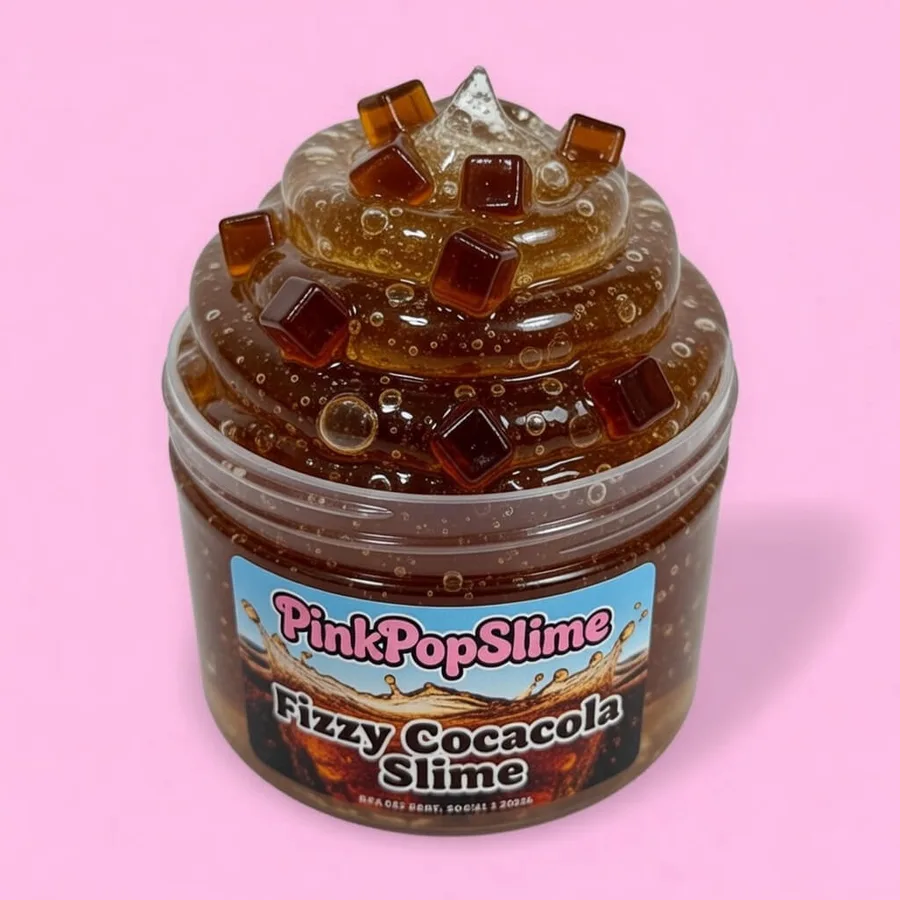
| Clear / glossy (Fizzy Cocacola) | Warm water, then rest sealed in a warm spot | Lotion — it clouds the clarity |
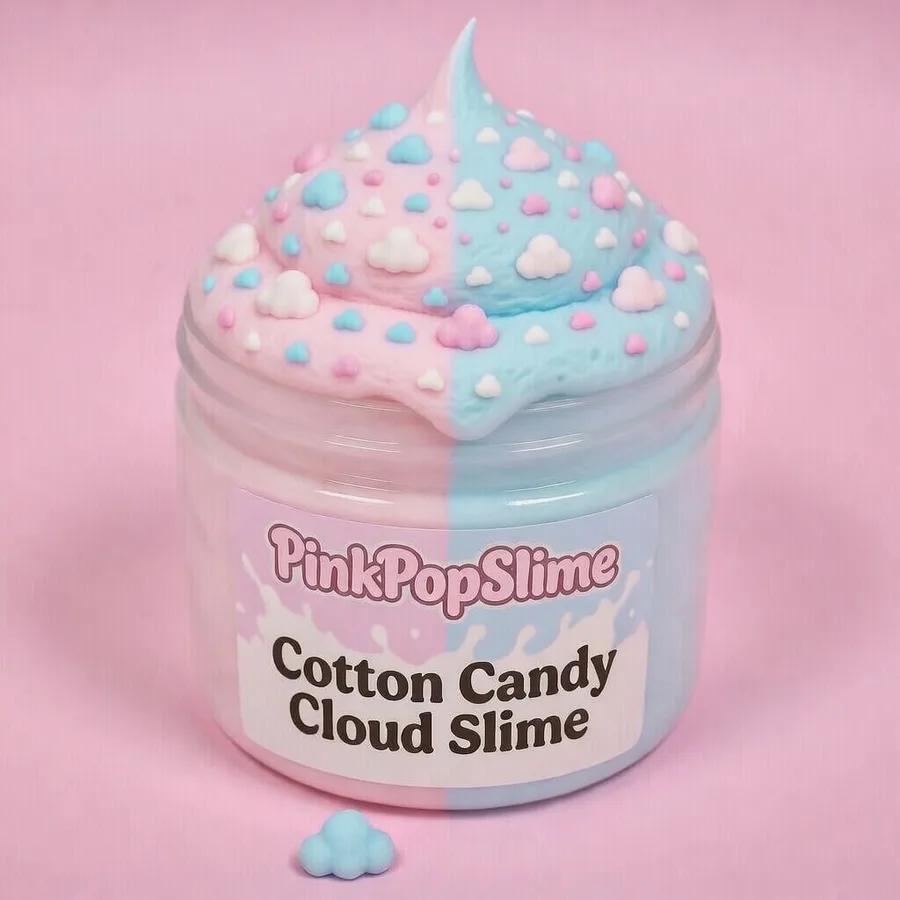
| Cloud / fluffy (Cotton Candy Cloud) | Warm water first, then a little lotion | Too much water — it goes soupy |
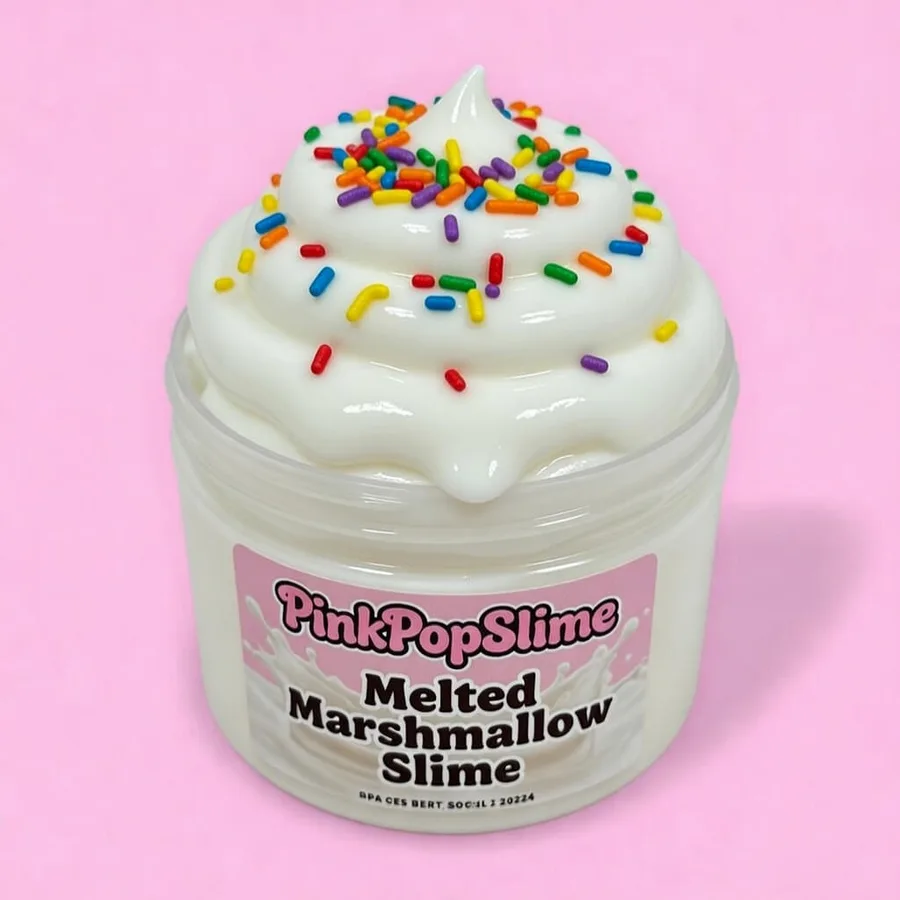
| Butter / thick creamy (Melted Marshmallow) | A dab of lotion or baby oil | Cold water on its own |
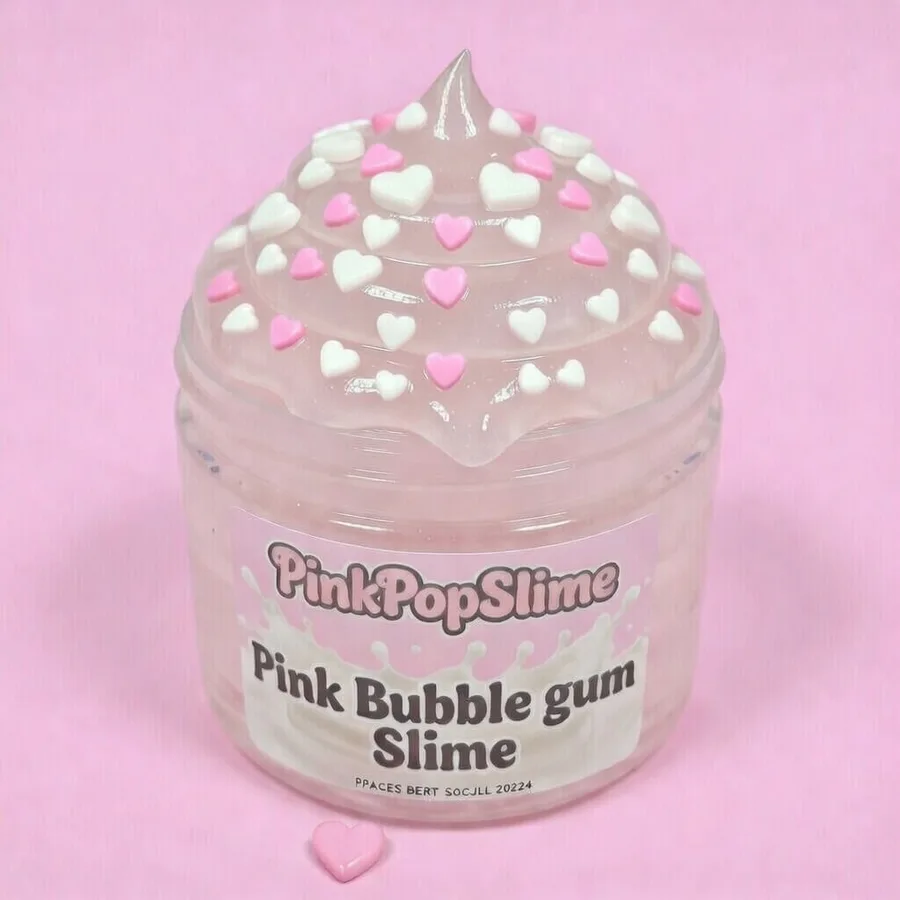
| Jelly / bubbly (Pink Bubble Gum) | Warm water, kneaded slowly | More activator |
| Dry & crumbly (any type) | A small squeeze of clear glue | Microwaving to soften it |
Same goal, different rescue: match the fix to your slime's texture.
What should you never do to soften stiff slime?
Two things: never add more activator, and never microwave it. Both feel like shortcuts and both make stiff slime permanently worse, so this is the most important part of learning how to soften slime safely.
More activator is the big trap. Because stiffness is too much cross-linking, adding borax or contact lens solution welds the chains even tighter and turns a firm slime into a hard, squeaky brick. It’s confusing because activator genuinely rescues the opposite problem — if your slime is gooey and clinging to your fingers instead of stiff, that’s a sticky slime, and the fix is different. In that case, follow how to make slime less sticky rather than anything on this page.
Microwaving (or soaking in hot water) is the other one to skip. High heat can scorch the slime, give off an unpleasant smell, and break the texture down into a gummy, uneven mess that never comes back — plus hot slime is a real burn risk for kids. Warm is the ceiling, not hot. And whatever you add, add it small: dumping in a lot of water at once leaves you with slime soup that’s harder to fix than the stiffness was.
Can the right slime save you the hassle?
Mostly, yes — a fresh, properly balanced slime barely stiffens, and the softest textures are the most forgiving when it does. Every PinkPopSlime is mixed by hand in small batches in the US, so it arrives at that soft, stretchy sweet spot instead of over-activated and tight. If you want the least-fussy texture of all, the pillowy ones are hardest to ruin: even after a lazy week they bounce back with nothing more than a minute of warm-handed kneading.
Give any of them a quick daily care routine and stiffness rarely gets a chance to set in. For the full playbook on keeping every texture soft, stretchy and fresh, see our guide to taking care of slime.
Quick questions
How to make slime stretchy again in under a minute?
Why is my slime hard and rubbery?
How do I soften slime without adding water?
Can I add more activator to fix stiff slime?
Can I microwave slime to make it soft again?
Will a stiff slime go back to normal on its own?
How do I stop my slime from getting stiff in the first place?
My slime is stretchy but tears easily — what's wrong?
Stiff slime is almost never a lost cause. Warm it, add moisture slowly, match the fix to the texture, and keep the activator far away — do that and your slime goes right back to that long, glossy, oddly satisfying stretch.