How to Make Slime Without Glue: 3 Honest No-Glue Recipes
You can make slime without a drop of PVA glue, but be honest with yourself first: most no-glue bases give you a moldable putty, not the endless glossy stretch.
The cabinet has no Elmer’s, no PVA of any kind, and a kid who wants slime in the next ten minutes. Good news: you can absolutely figure out how to make slime without glue using shampoo, dish soap, or plain cornstarch. Here’s the honest part most videos skip, though, and it’s the number-one reason no-glue slime disappoints: without glue, you don’t get that long, glossy, ropey stretch. What you get is a soft, moldable putty or a weird liquid-solid goo. Know that going in and you’ll be thrilled with the result. Expect store-bought stretch and you’ll be scraping paste off the counter, frustrated.
So let’s set honest expectations, name the real bases that work, and walk through recipes that actually hold together.
Can you really make slime without glue?
Yes, but you should know exactly what you’re getting first. A no-glue base makes a squishable, moldable putty, not the long stretchy slime you get from glue, because the two work in completely different ways. Understanding that difference is the whole secret to not being disappointed.
Classic stretchy slime is PVA glue (the polyvinyl acetate in Elmer’s) plus an activator. The glue is full of long, bendy polymer chains, and the activator’s borate ions cross-link those chains just enough that they still slide past each other. That sliding is the stretch. No-glue bases have no PVA chains to link, so nothing produces that ropey pull. Instead, they thicken in other ways: cornstarch grains pack together into a paste, and salt makes the surfactants in shampoo or dish soap clump and stiffen. The result feels great in the hand, but it behaves like putty or dough.
That’s why honest no glue slime is a different toy, not a lesser version of the real thing. If your heart is truly set on the long, satisfying stretch, the shortcut is to grab any PVA glue and follow our main step-by-step slime recipe instead. If you’re happy with a squishy, moldable feel, read on.
No-glue slime is a real toy in its own right. Just don’t expect putty to stretch like glue. Different chemistry, different squish.
How do you make slime with shampoo?
Start with a thick, creamy shampoo or body wash and stir in a thickener a little at a time until it firms into a squishy dough. This is the most popular no-glue route, and the trick that makes or breaks it is your thickener. Runny clear shampoo won’t work; you want the thick, pearly kind.
Two thickeners do the job. The first is salt: a pinch of table salt makes the surfactants in shampoo bunch up and gel, and a stint in the freezer firms it further. The second, and more reliable, is cornstarch, which soaks up the liquid and stiffens the mix into a proper putty you can knead. If you’re learning how to make slime with shampoo for the first time, go the cornstarch way. It’s far more forgiving and doesn’t turn soupy on you.
- 1
Start with thick shampoo
Squeeze about 3 tablespoons of a thick, opaque shampoo or body wash into a bowl. Skip thin, clear shampoos. They stay runny no matter what you add. A little body-safe colorant or washable paint tints it if you like.
- 2
Add cornstarch a spoonful at a time
Stir in cornstarch one teaspoon at a time, mixing fully between each add. The starch grains pack together and thicken the shampoo into a dough. Going slow is the whole game. You can always add more, but you can't take it back out.
- 3
Knead until it pulls from the bowl
Once it clumps up, knead it with your hands until it stops sticking and forms a soft ball. If it's still tacky, add a little more cornstarch. If it cracks and crumbles, work in a few drops of shampoo to loosen it.
- 4
Chill it to firm it up
Pop the ball in the fridge for 10 to 15 minutes. The cold sets the texture so it holds its shape and squishes cleanly instead of oozing. This is optional but makes a noticeably better putty.
How do you make slime with dish soap?
Combine thick dish soap with cornstarch in roughly equal parts, adding the cornstarch bit by bit until it pulls together into a stretchy-ish dough. Dish soap behaves a lot like shampoo here, since both are surfactant gels that stiffen when you thicken them, but soap tends to give a slightly springier result.
Learning how to make slime with dish soap comes down to one rule: add the cornstarch gradually. Start with a couple of tablespoons of a thick dish soap like Dawn, then work in cornstarch a spoonful at a time, kneading as you go, until it lifts off your hands as a soft ball. Too runny means more cornstarch; too crumbly means a few more drops of soap. A short chill in the fridge firms it the same way it does the shampoo version. Just remember it’s still a putty at heart. It squishes and molds beautifully but won’t stretch into long ropes.
Which no-glue base should you pick?
Match the base to the texture you want, because each one lands in a different place between liquid and dough. None of them stretch like glue slime, but they each have a personality. Here’s an honest side-by-side so you can pick before you start mixing.
| No-glue base | Texture you get | Watch out for |
|---|---|---|
| Shampoo + cornstarch | Soft, moldable putty | Thin clear shampoo won't thicken |
| Shampoo + salt (+ freezer) | Softer, looser gel | Stays fragile, breaks apart easily |
| Dish soap + cornstarch | Springier squishy dough | Add cornstarch slowly or it crumbles |
| Cornstarch + water (oobleck) | Liquid-solid goo, not a ball | It won't hold a shape at all |
| Any PVA glue + activator | Long, glossy, ropey stretch | Needs actual glue, so not glue-free |
No-glue bases give putty or goo. Only glue gives the real stretch. Pick honestly.
How to make slime without glue, honestly?
The most honest, mess-tolerant no-glue recipe of all is cornstarch and water, which makes oobleck: a wild liquid-solid that firms up when you squeeze it and melts when you let go. It isn’t a stretchy slime and it won’t roll into a ball, but it’s pure sensory magic and takes two ingredients.
The mechanics are worth knowing because they’re the reason it feels so strange. Cornstarch grains suspended in water pack tightly the instant you apply pressure, so a quick poke meets a solid, while slow movement lets the grains flow like a liquid. Mix about two parts cornstarch to one part water, adding the water slowly until it drips off a spoon but resists a fast tap. That’s it.
Because it uses no borax, no contact lens solution, and no glue, this doubles as the simplest answer to how to make slime without glue or borax for anyone avoiding both. If you want something you can actually pick up and mold, though, the shampoo or dish soap putties above are the better call. For a lighter, airier feel, whipping shaving cream into a putty base gets you partway to a cloud texture, and our guide to fluffy slime shows how that airiness really works.
Want the real stretch with zero mixing?
Here’s the honest bridge: making no-glue slime is a fun afternoon, and we hope you try every base above. But if what you’re really chasing is that long, glossy, poppable stretch, no bathroom-cabinet recipe gets you there, only PVA glue does. And if you want that stretch with none of the mess, the guessing, or the crumbly failures, that’s exactly what we make.
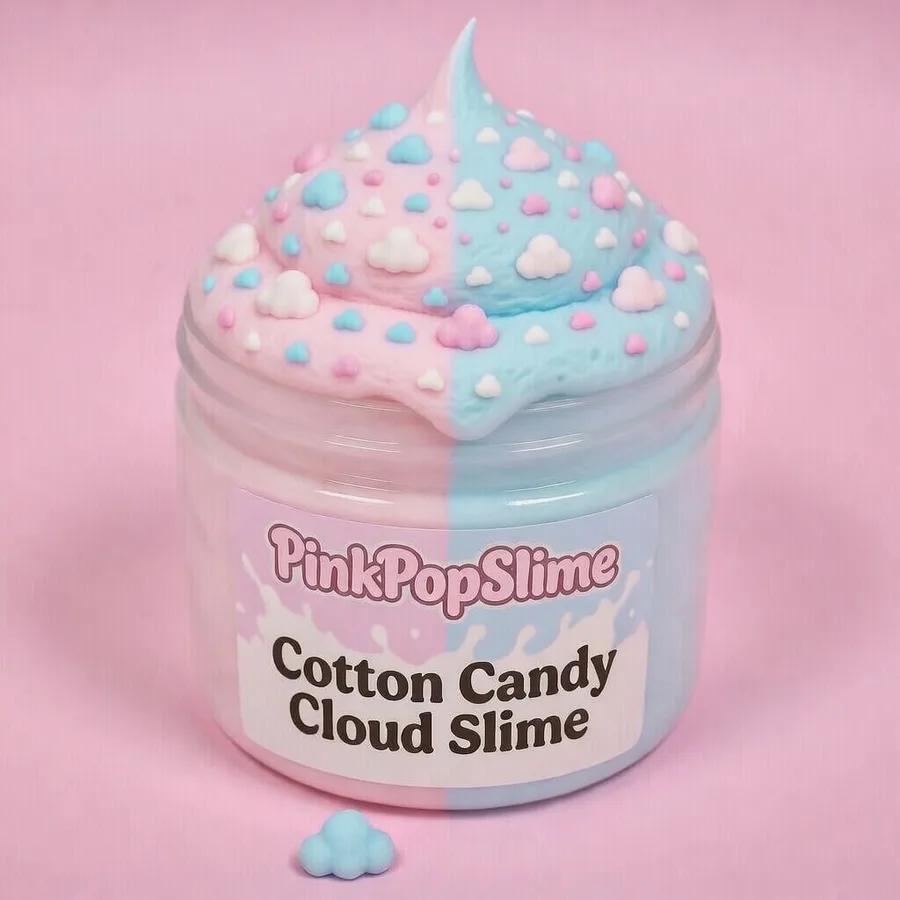
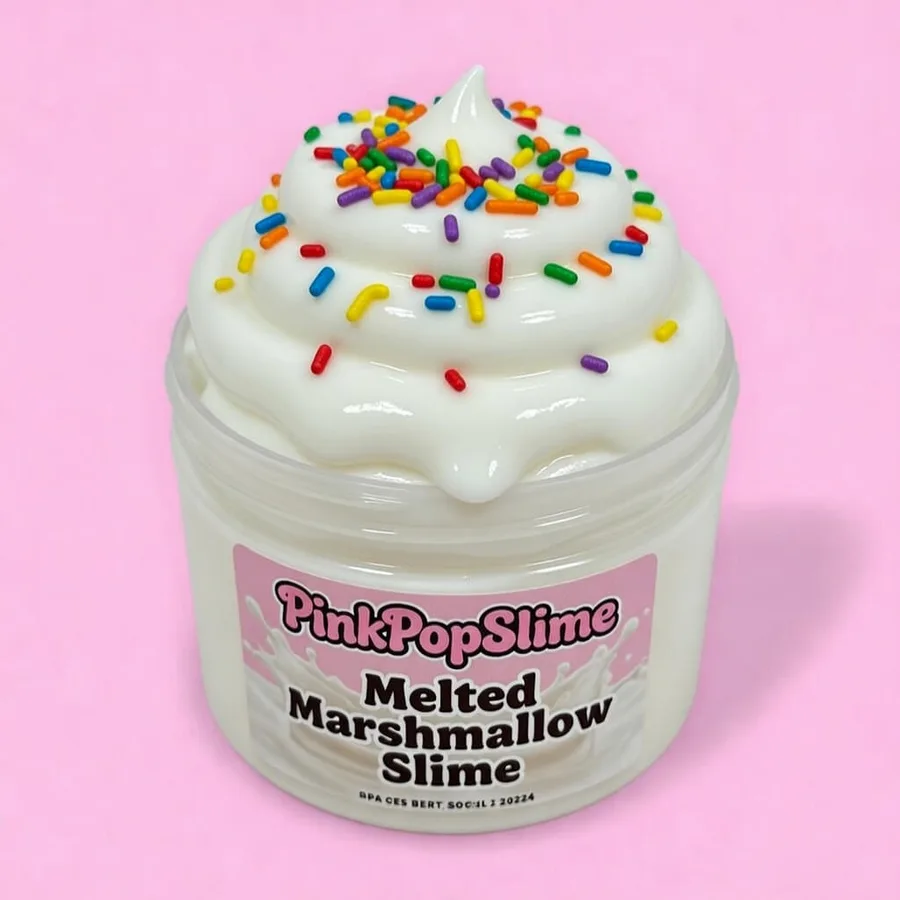
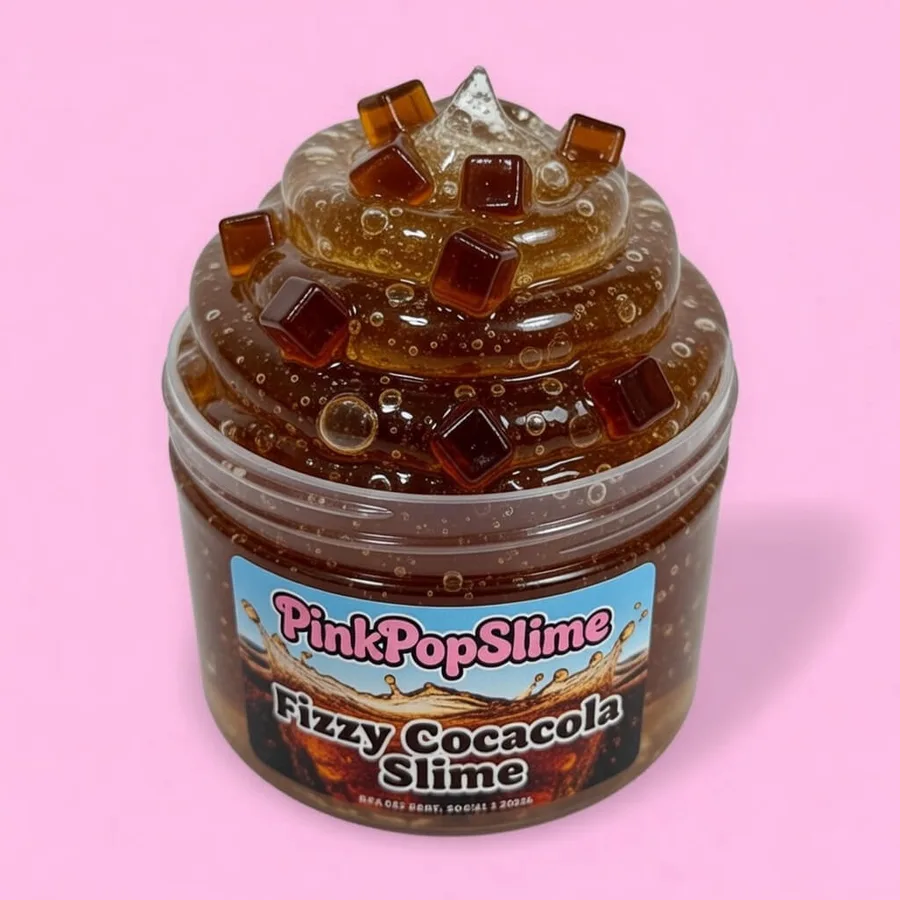
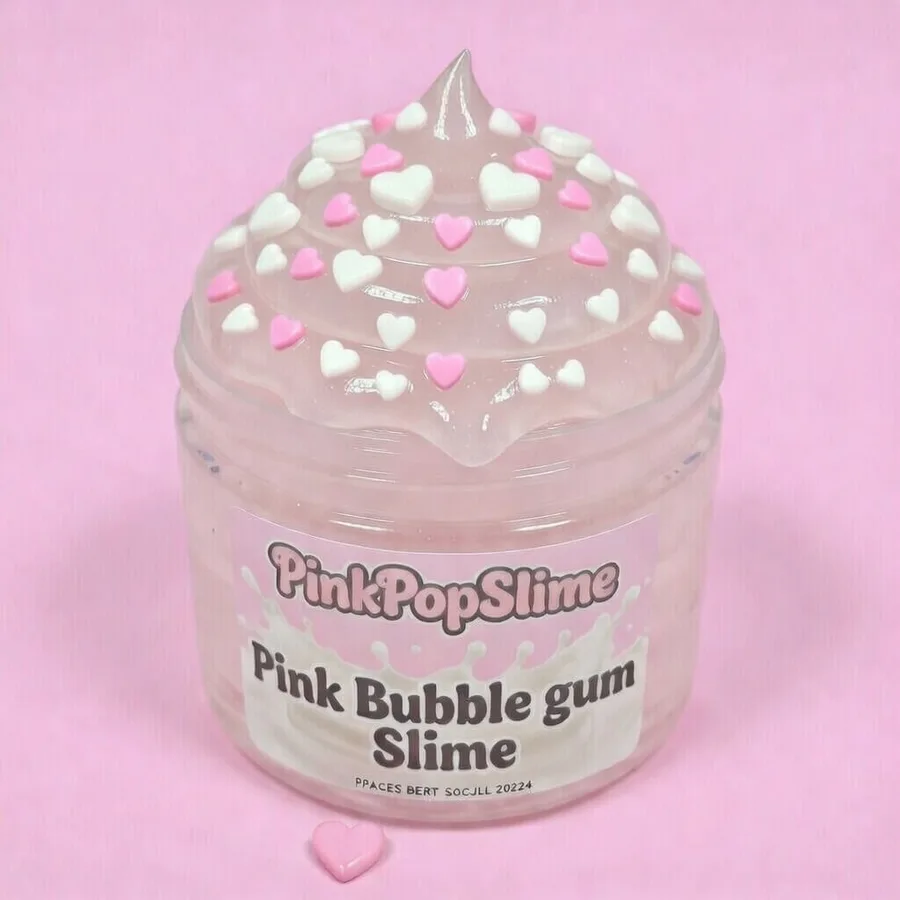
Every PinkPopSlime is mixed, activated, and kneaded by hand in small batches in the US, so it shows up at that perfect stretchy sweet spot, ready to pull and squish the second you open the jar. It also makes a genuinely easy gift when you don’t want to hand someone a bowl of cornstarch and hope.
Quick questions
How do you make slime without glue?
Does no-glue slime stretch like real slime?
What household items make slime without glue?
How do you make slime with shampoo and no glue?
Can you make slime with just dish soap and cornstarch?
How do you make slime without glue or borax?
Is homemade no-glue slime safe for kids?
Why did my no-glue slime turn out sticky or crumbly?
No-glue slime is a real, fun toy as long as you meet it on its own terms: a soft, squishy putty you can mold, not a glossy rope you can stretch across the room. Pick your base, add your thickener slowly, and enjoy the squish. And when you want that endless stretch without the mess, you know where the jar-ready stuff lives.