Is Slime Good for Anxiety? A Calm-Down Tool, Not a Cure
Slime won't cure anxiety, but for a lot of people the slow squeeze-and-stretch is one of the easiest grounding tools to keep on the desk. Here's how to use it well.
Your chest is tight, your thoughts are racing, and your hands will not sit still, so you grab your phone and start scrolling, which somehow leaves you more wound up than before. If you have ever wondered whether a jar of slime might work better than one more doom-scroll, you are asking a fair question: is slime good for anxiety, or is it just a pretty distraction? Reaching for the wrong coping habit in a tense moment does not only waste time; it can quietly feed the spiral. The honest answer is that slime will not cure anxiety, but for a lot of people the slow, repetitive squeeze-and-stretch is a genuinely calming way to pull a racing mind back into the present. Used with realistic expectations, a small tub of calming slime can be one of the easiest grounding tools to keep on your desk.
Is slime good for anxiety, or is it just a fun distraction?
Yes, slime can genuinely help with anxiety for many people, as long as you treat it as a calming tool rather than a cure. The reason is simple: anxiety tends to trap your attention inside your own head, replaying worries on a loop, and a handful of slime gives your senses something steady and physical to grab onto instead. When you squeeze, fold and stretch it, your focus shifts from the racing thoughts to the cool, springy feel in your fingers, which is a classic grounding move. That shift is the whole point, and it is why so many people reach for a jar when their mind will not slow down.
Here is the honest part, because it matters. You will sometimes see squishing slime described as a kind of do-it-yourself therapy online, and it is a catchy idea, but it is worth being clear that playing with slime is not clinical therapy. Rigorous, peer-reviewed research on slime specifically is limited, and you should be skeptical of anyone who promises a jar will “fix” anxiety. What we can say plainly is that slime offers the same kind of tactile, repetitive, self-soothing input that people already get from stress balls, kneading dough or worry stones. The takeaway: slime is a legitimate, low-cost calming habit for a lot of people, and also nothing more than that.
Why does squishing slime calm you down?
Squishing slime calms you because the slow, repetitive motion gives your senses something predictable to focus on, which crowds out anxious thoughts. Anxiety lives in the “what if” of the future, while your hands only ever work in the present, so the moment you start kneading a soft slime you are gently pulled back into now. That is the mechanics behind the magic: touch, sound and sight all report back at once, and a busy nervous system finds that steady stream of input organizing rather than overwhelming.
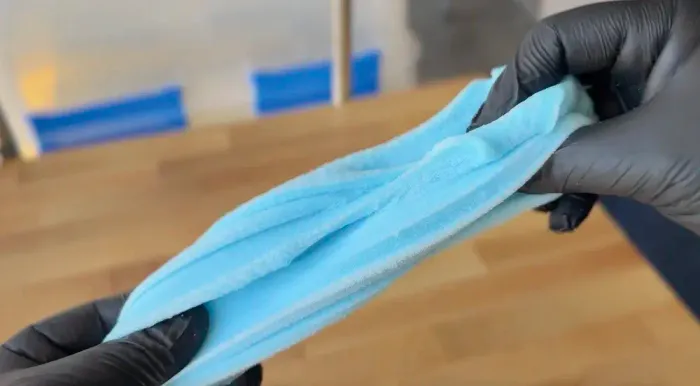
Break it down and three things are happening together. First, touch: the cool, stretchy resistance of slime gives your fingers firm, satisfying feedback, the same self-soothing family as squeezing a stress ball. Second, rhythm: the repeated squeeze-and-release becomes a quiet, predictable loop your brain can settle into, a lot like the pace of slow breathing. Third, focus: watching a clear slime stretch into a ribbon or listening to a thick slime click gently pulls your attention outward, away from the spiral. That combination is exactly the appeal of slime for stress relief, and it is the same calming loop that makes the broader benefits of playing with slime show up for so many different people.
Anxiety lives in your head. Your hands live in the present. Slime is just a bridge between the two.
Feeling anxious right now? Pop a few bubbles and notice the little reset 👇
Popped: 0 🫧
How do you use slime for a calm-down moment?
To use slime as a calm-down tool, pair a few minutes of slow squeezing with steady breathing so your body and mind settle together. The reason to combine them is that touch and breath reinforce each other: the squish anchors your attention while the slow exhale directly steadies your nervous system, and together they work better than either alone. You do not need a perfect routine or a lot of time. Even about sixty seconds of mindful squishing can take the edge off, and this simple five-step reset is an easy place to start.
- 1
Set the scene
Sit somewhere you can relax and open your jar over a wipeable surface. Getting comfortable first tells your body it is safe to slow down.
- 2
Warm the slime up slowly
Start with gentle presses, then knead and fold. As it softens, let your grip settle into an easy, unhurried rhythm rather than a tense squeeze.
- 3
Sync your breath to the squish
Breathe in for a slow count of four as you stretch, out for four as you fold. Matching breath to motion is what turns fidgeting into grounding.
- 4
Name what your senses notice
Silently note the temperature, the stretch, the soft click, the color. Putting words to the input keeps your attention on the slime and off the worry loop.
- 5
Ease out and store it
When you feel steadier, slow to a stop and seal the jar right away, so your slime stays fresh and the moment stays contained.
How does slime compare to other calming tools?
Slime holds its own against other fidgets because it engages several senses at once, but the best calming tool is simply the one you will actually reach for. A stress ball is quick and grippable, a breathing exercise is free and always available, and slime sits somewhere in between with a richer, more absorbing texture. None of these is a winner for everyone, so it helps to see what each one is actually good at before you pick a go-to, or a combination.
| Calming tool | How it soothes | Good to know |
|---|---|---|
| Slime | Touch, sound, sight and slow repetition all at once | Non-edible, ages 8+; needs a wipeable spot to play |
| Stress ball | A simple, one-note squeeze-and-release grip | Handy and portable, but can feel repetitive fast |
| Fidget spinner | Light finger motion and a spinning point to watch | Can distract rather than truly ground some people |
| Coloring or doodling | Focus plus a steady fine-motor rhythm | Needs supplies and a flat surface to work on |
| Slow breathing (in 4, out 4) | Directly steadies the nervous system | Free and always available, just less tactile |
There is no single best calming tool. Many people stack a couple, like slow breathing plus a squishy slime.
If you are not sure which slime texture suits you, it is worth matching the feel to the mood you are in. A firmer slime gives more resistance to push against, while a soft, airy one is easier to sink into when you are already tense. Our full guide to the types of slime walks through every texture so you can find a first pick that fits how you like to self-soothe.
Which slime is best for anxiety and stress relief?
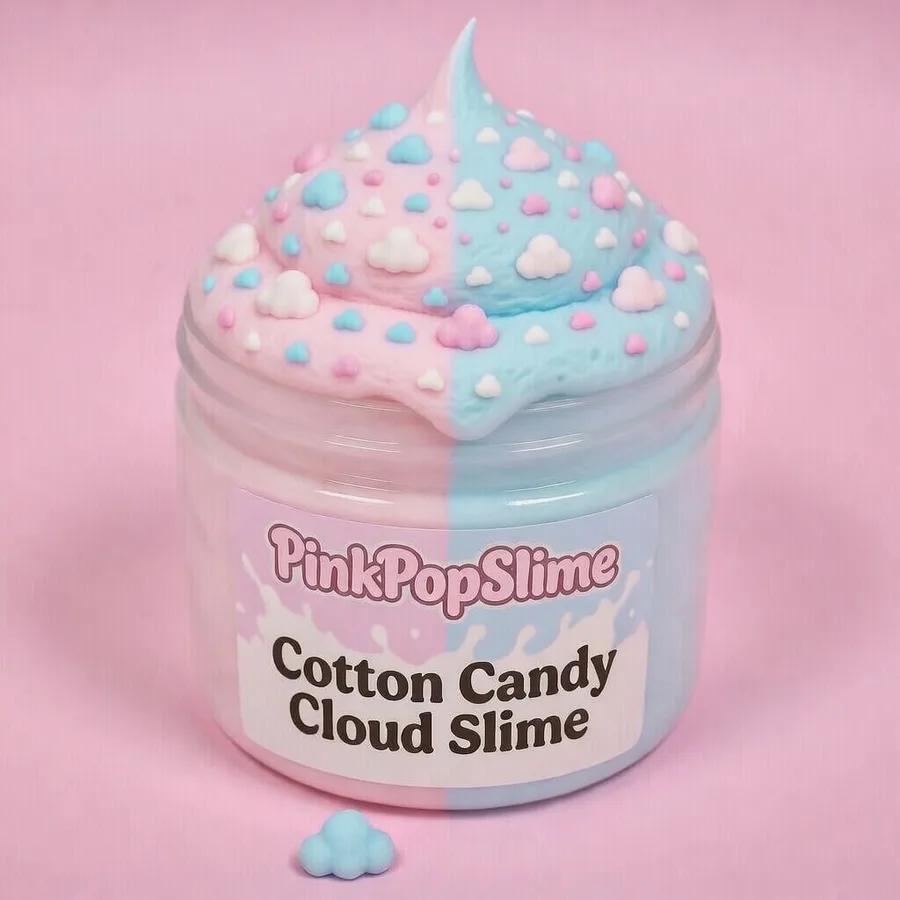
For a calm-down jar, reach for a soft, airy texture like cloud slime, because a gentle, low-effort squish is the easiest to sink into when you are already wound up. A stiff, heavy slime asks your tense hands to work harder, which is the opposite of what you want in an anxious moment. A light, pillowy cloud texture practically deflates under your fingers, so the very first squeeze feels like a small exhale. That is the honest reason we point people toward our fluffiest, most forgiving slime rather than a random favorite: the texture does the calming job well.
Because every jar is handmade in small batches here in the US, it arrives soft and stretchy out of the box, so there is no wrestling a stiff texture on a hard day. Like all our slimes it is a toy for ages 8+ and non-edible, so the same simple supervision rules apply. Many people also find that a soothing jar pairs naturally with the same squeeze-and-fidget tools that help neurodivergent kids, which we cover in our guide to slime as a sensory tool for autism and ADHD. If you are choosing a jar specifically to take the edge off, our picks for stress relief slime compare the calmest textures.
Is slime a substitute for anxiety therapy or professional help?
No. Slime is a helpful calming habit, but it is not a substitute for professional mental-health care. This is the most important line in the whole article, so let us be plain about it: a jar of slime can help you ride out a wave of stress in the moment, the way a stress ball or a slow breath can, but it does not treat the underlying causes of an anxiety disorder. If your anxiety is frequent, intense, or getting in the way of daily life, that is a signal to talk to a doctor or a licensed mental-health professional, not to squish harder.
Think of slime the way you would a warm bath, a walk, or a favorite playlist: a small, genuine comfort that can sit happily alongside real care without pretending to replace it. Kept in that honest lane, with the safety basics in place, a soft jar of slime is a low-cost, joyful little tool for the hard moments, and there is nothing wrong with reaching for exactly that.
Quick questions
Is slime good for anxiety in adults, or only for kids?
How long should I squish slime to feel calmer?
What is the best slime for a calm-down moment?
Is 'slime therapy' a real therapy?
Can slime actually make anxiety worse?
Is slime safe for a child who feels anxious?
Can slime replace therapy or medication for anxiety?
Every person soothes differently, so treat your first jar as an experiment, not a prescription. Notice what texture you reach for, pair the squish with a few slow breaths, keep the safety basics in place, and let slime be exactly what it is at its best: a small, squishy, present-moment way to help a racing mind settle.