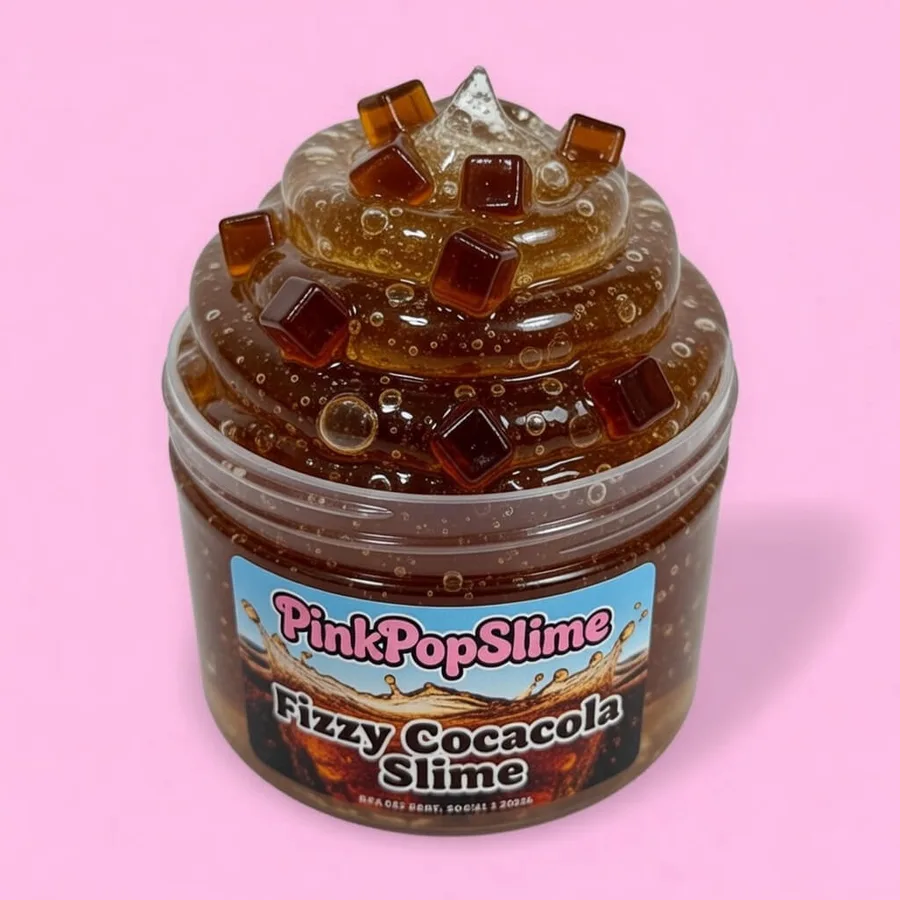
Slime for Autism and ADHD: A Calming Sensory Tool
Slime isn't therapy, but for a lot of neurodivergent kids it's a cheap, squishy tool that helps hands and minds settle. Here's how to use it well.
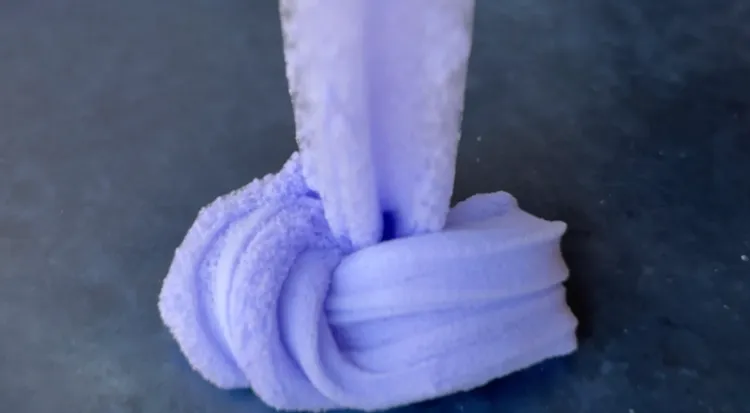
If your child is always squeezing, poking, tapping or chewing something, you already know the daily hunt: finding one calm, screen-free thing that actually helps them settle. Pick the wrong tool and you get a meltdown, a mess, or a jar of slime pressed into the carpet. That is exactly why so many parents start asking about slime for autism and ADHD in the first place. Used thoughtfully, slime is one of the cheapest, most forgiving sensory tools you can put in a child’s hands: it gives restless fingers something firm to push against and a busy mind something quiet and predictable to focus on. It is not a therapy or a cure, but as a sensory tool it earns its place on a lot of families’ shelves.
Why are autistic and ADHD kids so drawn to slime?
Autistic and ADHD kids are often drawn to slime because it feeds the exact senses their nervous systems are reaching for. Many neurodivergent children are “sensory seekers,” meaning their bodies look for extra touch, pressure and movement to feel organized and calm. Slime delivers that on demand. When a child squeezes a handful of butter slime or pulls a clear slime into a long ribbon, the muscles and joints in their hands send back proprioceptive feedback, the same steadying “deep pressure” input that a weighted blanket or a firm hug provides. That is the mechanics behind the magic: the resistance is the reward.
Slime is also gloriously predictable, which matters enormously. It always squishes the same way, makes the same soft click, stretches and comes back together on cue. For a child who finds an unpredictable world overwhelming, a material that behaves the same way every single time is quietly reassuring. Add the repetitive motion of kneading, poking and folding, and you have a self-directed rhythm a child can return to whenever they need to reset. If you want the bigger picture on why this kind of play soothes so many people, our guide to whether slime is good for anxiety digs into the same calming loop in more depth.
The resistance is the reward. For a sensory seeker, that little bit of push-back is the whole point.
What skills and needs can slime sensory play actually support?
Slime supports three everyday things at once: sensory regulation, fine-motor strength and focus. None of these are medical outcomes, but they are real, useful, day-to-day wins that families notice, and they are worth understanding one at a time.
First, regulation. A child who feels jittery, overloaded or under-stimulated can use a few minutes of squeezing and stretching to bring their nervous system back toward a calmer baseline, in the same self-soothing family as rocking or fidgeting. Second, fine-motor development. Pinching, rolling, poking and pulling slime works the small muscles in the hands and fingers, the very muscles kids use for holding a pencil, doing up buttons and using scissors. It is strengthening disguised as play. Third, focus. For a lot of ADHD kids, keeping the hands busy with something quiet frees up the mind to listen, wait or concentrate, which is why a fidget-friendly material can make sitting through a lesson or a car ride more bearable.
Take a real example: a child who taps the table nonstop during story time is often trying to self-regulate. Give that same child a small tub of slime to knead under the desk, and the tapping can settle into a quiet squish that nobody else even notices. The takeaway is that slime is not a distraction from focus; for the right child, it is the thing that makes focus possible. Our roundup of the broader benefits of playing with slime covers how these same effects show up for all kids, not only neurodivergent ones.
How do you introduce slime to a neurodivergent child safely?
The safest way to introduce slime is slowly, on the child’s terms, with an adult nearby and clear ground rules from the very first jar. Some kids dive straight in; others need to warm up to a new texture, and pushing a hesitant child too fast can turn a promising tool into a hard no. Two ground rules apply from the very first jar: keep every slime away from pets, and if your child has sensitive skin or known allergies, patch-test a small dab on the back of the hand before a full session and stop if you see any irritation. Go gently and let curiosity lead. Here is the routine we recommend to parents.
- 1
Check age and readiness first
Slime is recommended for ages 8+. For younger kids, or any child who still mouths objects, keep it strictly adult-supervised and choose a plain slime with no small charms or beads.
- 2
Start tiny and let them watch
Offer a small amount and demonstrate first. A hesitant child often needs to see you poke and stretch it before they will touch it themselves. Never force contact with a texture they are avoiding.
- 3
Name the sensations out loud
Say what you feel: "cold," "stretchy," "squishy," "clicky." Putting words to the input helps a child process it and tells you which sensations they like and which they don't.
- 4
Let the child set the pace
One minute is a fine first session. Let them lead on how long and how much, so slime stays a choice they control rather than a demand placed on them.
- 5
Build a simple where-and-when
Pick a spot (a wipeable table) and a moment (after school, during homework) so slime becomes a predictable calming routine instead of a random surprise.
Which slime texture is the best sensory match?
The best texture depends entirely on what your child’s senses are seeking, so it helps to match the slime to the input. A child who craves deep pressure wants something thick and resistant to push against, while a child soothed by sound and sight wants something clear and clicky. There is no single “autism slime” or “ADHD slime”; there is the texture that fits the individual, and finding it is half the fun. This is where sensory play gets genuinely personal.
| Sensory need | Great match | Why it works |
|---|---|---|
| Deep pressure / squeezing | Butter & thick creamy slimes | Firm resistance gives strong proprioceptive feedback, like a hug for the hands. |
| Sound & rhythm (ASMR) | Clear, glossy, clicky slimes | The steady click and pop offer predictable, satisfying auditory input. |
| Gentle, light calming | Fluffy cloud slimes | Soft, airy squish is low-intensity, easy on kids who find firm textures too much. |
| Visual focus & tracking | Clear slimes with jelly cubes or charms | Watching pieces move and stretch gives calm, absorbing visual stimulation. |
Match the texture to the sense your child is seeking. When in doubt, start soft and go from there.
If you are not sure where your child lands, start with a soft, forgiving texture and watch what they gravitate toward. Our full guide to the types of slime walks through every texture with a quick quiz, which is a low-pressure way to figure out a first pick together. And remember that preferences shift: a kid who loved a firm butter slime in winter might reach for an airy cloud slime when they are overstimulated. Following those cues is the whole game.
Which PinkPopSlime is a good first sensory pick?
If your child is a squeezer, start with the softest, thickest texture you can find, because that deep-pressure squish is the input most sensory seekers are chasing. That is the honest reason we point neurodivergent kids toward our creamiest slime rather than a random favorite: it does the sensory job well. If you want the picks laid out by sensory style, our guide to choosing sensory slime compares the soft, smooth and clicky options side by side.
Because it is handmade in small batches here in the US, every jar is mixed to be soft and stretchy out of the box, so there is no fighting a stiff, unpleasant texture on the first try. It is still a toy for ages 8+ and non-edible like all our slimes, so the same supervision rules apply. But as a calm-down squish for the end of a big day, a soft marshmallow-style slime is hard to beat.
Is slime for autism a treatment, or just a support tool?
No, slime is not a treatment. Slime for autism and ADHD is a sensory support tool, not a therapy or a cure, and it is not a substitute for professional care. This is the most important line in the whole article, so let’s be honest about it. Rigorous, peer-reviewed research specifically on slime and neurodivergence is limited, and you should be skeptical of anyone who promises that a jar of slime will “fix” anything. What we can say plainly is that slime provides the kind of tactile, deep-pressure sensory input that many autistic and ADHD kids find genuinely calming, and that plenty of families and occupational therapists use squeeze-and-fidget materials as one small part of a wider sensory toolkit.
Think of it the way you would a fidget spinner, a stress ball or a chewable pendant: a helpful, in-the-moment tool for self-regulation, not a medical intervention. That framing is exactly what makes slime a genuinely useful sensory toy for autism and ADHD support without overselling it. If your child is struggling, the people to guide the plan are your pediatrician, occupational therapist or another qualified professional, and slime can sit happily alongside whatever they recommend. Used that way, with realistic expectations and the safety basics in place, it is a low-cost, joyful addition, and nothing more or less than that.
Quick questions
Is slime for autism actually helpful, or just a trend?
Is slime good for ADHD kids who can't sit still?
What age is slime safe for a neurodivergent child?
What's the best slime texture for a child who seeks deep pressure?
My child mouths objects. Is slime safe for them?
Can slime replace occupational therapy or fidget tools?
What if my child hates the sticky or cold feeling?
How do I keep slime from turning into a mess or a meltdown?
Every neurodivergent kid is different, so treat that first jar as an experiment, not a prescription. Watch what your child reaches for, follow their cues, keep the safety basics in place, and let slime be exactly what it is at its best: a small, squishy, joyful way to help busy hands and minds settle.